

Exploring the intricacies of selecting optimal business insurance for startups, this introduction sets the stage for a detailed exploration of crucial considerations and decision-making processes. From understanding the importance of insurance to customizing policies, this guide covers it all.
As we delve deeper, we will uncover valuable insights on insurance needs assessment, researching providers, cost considerations, policy customization, and the importance of regular policy review and updates for startups.
Understanding Business Insurance
Business insurance is essential for startups as it provides protection against various risks that could potentially harm the business financially. It is a safety net that can help cover costs associated with property damage, liability claims, or other unforeseen events.
Types of Business Insurance
- General Liability Insurance: Protects against claims of bodily injury or property damage.
- Professional Liability Insurance: Covers negligence claims related to professional services.
- Property Insurance: Protects business property against damage or loss.
- Business Interruption Insurance: Helps cover lost income during unexpected closures.
Risks Covered by Business Insurance
- Property Damage: Coverage for damage to physical assets such as buildings, equipment, or inventory.
- Lawsuits: Protection against legal claims from customers, employees, or third parties.
- Business Interruption: Coverage for income losses due to business disruptions.
- Employee Injuries: Coverage for medical expenses or legal fees related to workplace injuries.
Researching Insurance Providers
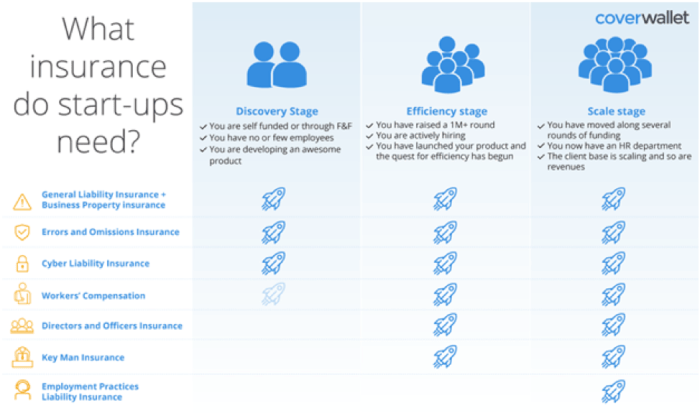
When it comes to choosing the best insurance provider for your startup, conducting thorough research is crucial. Here are key factors to consider:
Financial Stability and Reputation
- Check the financial stability of the insurance provider to ensure they can fulfill their obligations in case of a claim.
- Look into the reputation of the insurance company by researching their history, customer feedback, and any complaints filed against them.
- Consider choosing an insurance provider with a strong financial standing and a good reputation in the industry.
Reading Reviews and Seeking Recommendations
- Read reviews from other customers to get an idea of their experiences with the insurance provider.
- Seek recommendations from other business owners or professionals in your industry who have had positive experiences with certain insurance providers.
- By reading reviews and seeking recommendations, you can gain insights into the quality of service, claims process, and overall satisfaction levels with the insurance provider.
Cost Considerations
Starting a business comes with various expenses, and one crucial aspect to consider is the cost of business insurance. Understanding the cost components of business insurance for startups is essential in making informed decisions that align with your budget and coverage needs.
Cost Components of Business Insurance
- Premiums: This is the amount you pay to the insurance company for coverage. Premiums can vary based on factors such as the type of coverage, the size of your business, location, industry, and risk factors.
- Deductibles: Deductibles are the out-of-pocket expenses you must pay before your insurance coverage kicks in. Choosing a higher deductible can lower your premiums but will require you to pay more in the event of a claim.
- Coverage Limits: The maximum amount your insurance provider will pay for covered claims. Higher coverage limits typically result in higher premiums.
- Additional Coverage: Optional coverage options such as business interruption insurance, cyber liability insurance, or professional liability insurance can increase your premiums.
Tips to Save Costs on Insurance Premiums
- Shop Around: Compare quotes from multiple insurance providers to find the best rates and coverage options for your startup.
- Bundle Policies: Some insurers offer discounts if you purchase multiple policies, such as combining general liability and property insurance.
- Risk Management: Implementing risk management strategies can reduce the likelihood of claims and potentially lower your premiums.
- Review and Update: Regularly review your insurance coverage to ensure you are not over-insured or under-insured, adjusting your policy as your business grows and changes.
Benefits of Higher Premiums vs. Lower-Cost Plans
While opting for lower-cost insurance plans may seem like a cost-effective choice for startups, paying higher premiums for better coverage can offer significant benefits in the long run. Higher premiums often provide:
- Broader Coverage: Comprehensive policies can protect your business against a wider range of risks and potential losses.
- Higher Limits: Increased coverage limits mean more financial protection in the event of a claim or lawsuit.
- Enhanced Reputation: Having robust insurance coverage can enhance your business’s credibility and reputation among clients, investors, and partners.
Customizing Insurance Policies
When it comes to startups, it’s crucial to customize insurance policies to address the specific risks faced by the business. This process involves tailoring the coverage to suit the unique needs of the startup, ensuring adequate protection in case of unexpected events.
Identifying Common Add-Ons or Endorsements
Customizing insurance policies often involves adding endorsements or add-ons to enhance the basic coverage. Some common add-ons for startups include:
- Professional Liability Insurance: This coverage protects the business from claims of negligence or errors in services provided.
- Cyber Liability Insurance: With the increasing threat of cyber attacks, this add-on helps cover the costs associated with data breaches or cyber incidents.
- Business Interruption Insurance: This coverage helps replace lost income and covers ongoing expenses if the business is unable to operate due to a covered event.
Advantages of Tailoring Insurance Policies
Customizing insurance policies for startups offers several advantages, including:
- Targeted Coverage: By tailoring the policy, startups can ensure they have coverage for specific risks that are relevant to their industry or operations.
- Cost-Effectiveness: Customizing the policy allows startups to focus on the essential coverage they need, avoiding unnecessary expenses on irrelevant coverage.
- Flexibility: Startups can adjust their insurance policies as their business grows and changes, ensuring they have adequate protection at every stage.
Reviewing and Updating Policies
Regularly reviewing and updating insurance policies is crucial for startups to ensure adequate coverage as the business evolves.
Importance of Reviewing Policies
When it comes to insurance, startups should follow a checklist to ensure they are adequately covered:
- Assess Changes in Business Operations: Review any changes in the business model, products or services offered, or locations to ensure coverage is sufficient.
- Evaluate Coverage Limits: Check if the coverage limits are still appropriate based on the current value of assets and potential liabilities.
- Update Contact Information: Ensure that the insurance provider has the most up-to-date contact information to avoid any communication gaps.
- Review Exclusions: Understand any exclusions in the policy and assess if additional coverage is needed for specific risks.
Significance of Updating Policies
As a startup grows and evolves, it is essential to update insurance policies to:
- Adapt to Growth: Ensure that the insurance coverage aligns with the increasing size and scope of the business to avoid gaps in protection.
- Stay Compliant: Keep policies in line with any regulatory changes or requirements to avoid potential fines or legal issues.
- Address New Risks: Identify and address any new risks that may arise as the business expands to mitigate potential losses.
Final Summary
In conclusion, choosing the best business insurance for startups is a multifaceted task that requires careful evaluation and customization to ensure comprehensive coverage. By following the guidelines Artikeld in this discussion, startups can navigate the complex landscape of insurance options with confidence and foresight.
Answers to Common Questions
What are the key factors to consider when determining the level of coverage required?
Factors such as the nature of the business, potential risks involved, and financial capabilities should be taken into account when assessing coverage needs.
How can startups save costs on insurance premiums?
Startups can save costs by bundling insurance policies, implementing risk management strategies, and comparing quotes from multiple providers.
What are common add-ons or endorsements that enhance a basic insurance policy?
Common add-ons include cyber liability coverage, business interruption insurance, and product liability coverage, among others.
Why is it important to update insurance policies as the business grows?
Updating policies ensures that coverage remains relevant and adequate to address the evolving needs and risks faced by a growing startup.