

In the realm of online insurance management, digital security plays a pivotal role in protecting sensitive data and preventing cyber threats. From creating strong passwords to recognizing phishing scams, implementing best practices is essential for a safe and secure experience.
Let’s delve into the world of digital security tips when managing insurance online.
Importance of Digital Security in Insurance Management
When it comes to managing insurance online, digital security plays a crucial role in safeguarding sensitive information and ensuring the protection of personal data. In today’s digital age, where cyber threats are constantly evolving, it is essential for insurance users to prioritize security measures to prevent potential risks.
Potential Risks in Online Insurance Management
- Identity Theft: Hackers may steal personal information to commit fraud or access financial accounts.
- Phishing Attacks: Cybercriminals may use deceptive emails or websites to trick users into revealing sensitive data.
- Ransomware: Malicious software can encrypt files and demand payment for decryption, putting data at risk.
Examples of Cyber Threats in Insurance Transactions
- Social Engineering: Scammers may manipulate individuals to disclose confidential information through fake identities or false pretenses.
- Data Breaches: Unauthorized access to databases can lead to the exposure of personal details, leading to identity theft.
- Malware Infections: Infected files or links can compromise security and compromise the integrity of insurance transactions.
Consequences of Inadequate Digital Security
- Financial Loss: Unauthorized access to accounts or fraudulent transactions can result in monetary losses.
- Reputation Damage: Data breaches or security incidents can harm the reputation of insurance companies and erode customer trust.
- Legal Ramifications: Failure to protect sensitive data can lead to legal consequences and regulatory penalties for non-compliance.
Best Practices for Securing Online Insurance Accounts
When managing insurance online, it is crucial to follow best practices to ensure the security of your accounts and personal information. Implementing strong security measures can help protect your sensitive data from cyber threats.
Create Strong and Unique Passwords
One of the first steps in securing your online insurance account is to create a strong and unique password. Avoid using easily guessable passwords such as “123456” or “password”. Instead, use a combination of letters, numbers, and special characters to create a complex password.
Consider using a password manager to generate and store unique passwords for each of your online accounts, including your insurance account. This adds an extra layer of security to your login credentials.
Importance of Two-Factor Authentication
Enable two-factor authentication (2FA) for your insurance account login whenever possible. 2FA adds an extra layer of security by requiring a second form of verification, such as a code sent to your mobile device, in addition to your password.
Two-factor authentication significantly reduces the risk of unauthorized access to your account, even if your password is compromised.
Recognize and Avoid Phishing Scams
Be cautious of emails, messages, or websites that request your personal information or login credentials. Phishing scams often target insurance users by pretending to be legitimate entities to steal sensitive data.
Always verify the authenticity of the sender or website before providing any information. Avoid clicking on suspicious links or downloading attachments from unfamiliar sources.
Regularly Update Security Settings and Software
Regularly review and update the security settings of your online insurance account. Enable security features such as notifications for account activity or login alerts to stay informed about any unauthorized access attempts.
Keep your devices and software up to date with the latest security patches and updates to protect against vulnerabilities that cybercriminals may exploit.
Protecting Personal Information in Online Insurance Transactions
In today’s digital age, safeguarding personal information during online insurance transactions is crucial to prevent identity theft and fraud. By following best practices, you can ensure the security of your sensitive data.
Sensitive Information Not to Share Online
- Avoid sharing your social security number, driver’s license number, or passport details online.
- Do not disclose your banking information, credit card details, or login credentials on unsecured websites.
- Refrain from providing personal information like date of birth, address, and phone number unless necessary.
Significance of Using Secure Networks
It is essential to use secure networks, such as private Wi-Fi connections or virtual private networks (VPNs), when accessing insurance portals. Public Wi-Fi networks are vulnerable to cyber attacks, putting your personal information at risk.
Tips for Securely Storing and Transmitting Insurance Documents
- Encrypt sensitive insurance documents before storing them on your devices or cloud storage services.
- Avoid sending insurance documents via email and opt for secure file sharing platforms with end-to-end encryption.
- Regularly update your antivirus software to protect against malware that can compromise your insurance documents.
Verifying Authenticity of Insurance Websites
Before providing personal details on insurance websites, ensure they are legitimate by verifying the website’s SSL certificate and looking for secure HTTPS connections. Avoid clicking on suspicious links or pop-ups that may lead to phishing sites.
Ensuring Data Privacy and Compliance in Online Insurance Management

In the digital age, ensuring data privacy and compliance in online insurance management is crucial to protect sensitive information and comply with regulations.
Regulations and Compliance Standards
- Insurance transactions are subject to various regulations such as the Health Insurance Portability and Accountability Act (HIPAA) and the General Data Protection Regulation (GDPR).
- It is important for insurance providers to adhere to these standards to safeguard customer data and maintain trust.
Understanding Privacy Policies
Insurance users should take the time to read and understand the privacy policies of their insurance providers to know how their data is collected, stored, and used.
Securely Sharing Documents
- When sharing documents with insurance agents or companies online, use secure channels such as encrypted email or secure file transfer services.
- Avoid sharing sensitive information over unsecured networks or public Wi-Fi to prevent unauthorized access.
Exercising Data Privacy Rights
- Insurance users have the right to access, correct, and delete their personal data held by insurance companies.
- They can also request transparency on how their data is being used and opt-out of certain data processing activities.
Concluding Remarks
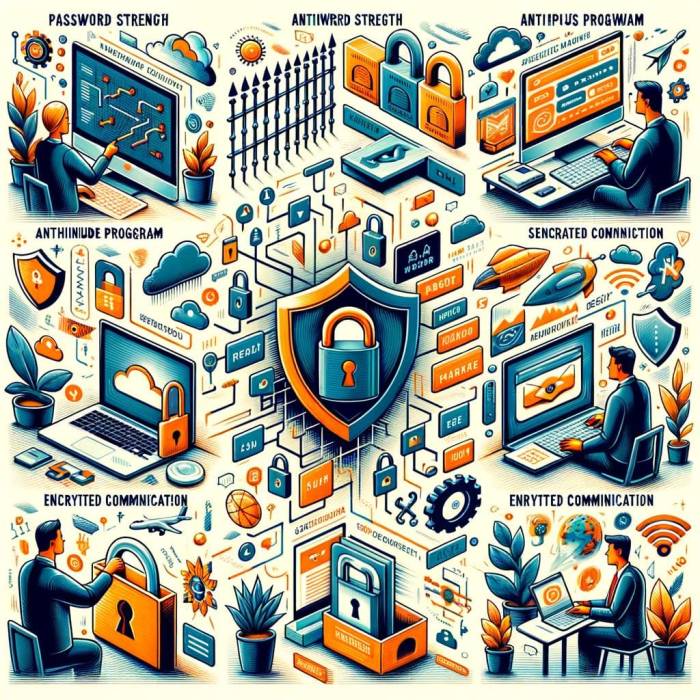
As we wrap up our discussion on digital security tips when managing insurance online, it’s clear that safeguarding your information is paramount in today’s digital landscape. By following best practices, protecting personal information, and ensuring data privacy, you can navigate online insurance transactions with confidence.
Stay informed, stay vigilant, and stay secure.
Common Queries
What are the potential risks of managing insurance online?
Managing insurance online exposes users to risks such as data breaches, identity theft, and financial fraud.
How can I recognize phishing scams targeting insurance users?
Phishing scams targeting insurance users often involve fake emails or websites that mimic legitimate insurance companies. Be cautious of unsolicited emails requesting personal information.
Why is it important to use secure networks when accessing insurance portals?
Using secure networks adds an extra layer of protection against unauthorized access and data interception when accessing insurance portals.
What compliance standards are related to online insurance transactions?
Online insurance transactions must adhere to regulations such as GDPR, HIPAA, and PCI DSS to ensure data privacy and security.