
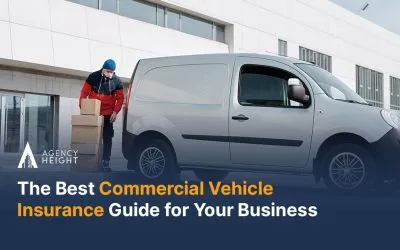
Delving into the realm of Commercial Vehicle Insurance Explained for Business Owners, this guide offers a thorough exploration of the topic, ensuring a well-rounded understanding for all readers.
The subsequent paragraphs will shed light on the key aspects of commercial vehicle insurance, covering its importance, coverage options, legal requirements, and the claims process.
Introduction to Commercial Vehicle Insurance
Commercial vehicle insurance is a specialized type of insurance coverage designed to protect vehicles used for business purposes. It is crucial for businesses that rely on vehicles for their day-to-day operations to safeguard their assets and finances in case of accidents or other unforeseen events.
Types of Vehicles Covered
- Commercial trucks
- Vans
- Taxis
- Limousines
- Buses
- Delivery vehicles
Commercial vehicle insurance typically covers a wide range of vehicles used in various industries, ensuring that businesses have the necessary protection for their specific needs.
Key Differences from Personal Auto Insurance
- Usage: Commercial vehicle insurance covers vehicles primarily used for business purposes, while personal auto insurance is for personal use.
- Liability Limits: Commercial vehicle insurance often requires higher liability limits to protect businesses from potential lawsuits.
- Coverage Options: Commercial vehicle insurance may offer additional coverage options tailored to the needs of businesses, such as hired and non-owned vehicle coverage.
- Premiums: Premiums for commercial vehicle insurance are typically higher due to the increased risks associated with business use.
Understanding these key differences is essential for business owners to ensure they have the right insurance coverage for their vehicles and operations.
Coverage Options
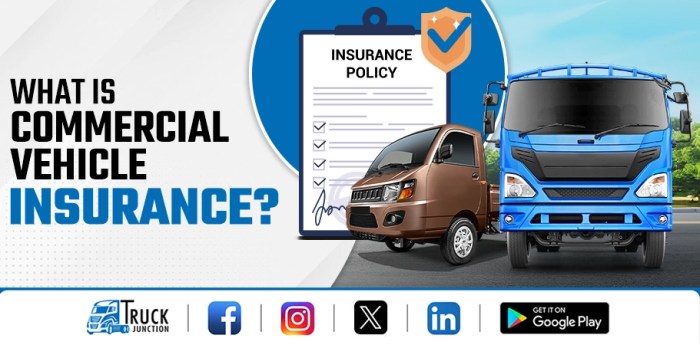
When it comes to commercial vehicle insurance, there are several coverage options available to business owners to protect their vehicles and finances. Understanding these options can help you make informed decisions to safeguard your assets.
Liability Coverage
Liability coverage is essential for any business that operates commercial vehicles. This type of coverage helps pay for damages and injuries caused by your vehicle to others in an accident where you are at fault. It can also cover legal fees if you are sued as a result of the accident.
Comprehensive Coverage
Comprehensive coverage protects your vehicles from non-collision incidents such as theft, vandalism, fire, or natural disasters. This coverage is beneficial for businesses that want to protect their vehicles from a wide range of risks beyond just accidents.
Collision Coverage
Collision coverage helps pay for damages to your vehicle in the event of a collision with another vehicle or object. This coverage is important for businesses that want to ensure their vehicles are repaired or replaced in case of an accident.
Factors Affecting Premiums
- The type of coverage you choose
- The value of your vehicles
- The driving records of your employees
- The location where your vehicles are operated
- The deductible amount you select
Legal Requirements
Commercial vehicle insurance is not just a recommended precaution for businesses; it is often a legal requirement. In most states, businesses that operate vehicles for commercial purposes are mandated to have commercial vehicle insurance to protect themselves and others in case of accidents.
Consequences of Inadequate Insurance
- Operating a commercial vehicle without adequate insurance can lead to fines, penalties, and even the suspension of your business operations.
- Without proper coverage, your business may be held liable for damages and medical expenses in the event of an accident, leading to financial strain or even bankruptcy.
- Failure to comply with legal requirements can tarnish your business’s reputation and result in loss of trust from customers and partners.
State-Specific Regulations
Each state has its own set of regulations when it comes to commercial vehicle insurance. It is crucial for businesses to be aware of these state-specific requirements to ensure compliance and avoid legal consequences.
Claims Process
When it comes to filing a claim for commercial vehicle insurance, understanding the process is crucial for business owners. Here are the steps involved in filing a claim, along with tips to expedite the process and common pitfalls to avoid.
Steps in Filing a Claim:
- Notify your insurance provider immediately after an accident or incident involving your commercial vehicle.
- Provide detailed information about the claim, including the date, time, location, and parties involved.
- Submit any relevant documentation, such as police reports, photos of the damage, and witness statements.
- Cooperate with the insurance adjuster during the investigation process.
- Review and approve the settlement offer provided by the insurance company.
- Receive compensation for the damages or losses covered under your policy.
Tips to Expedite the Claims Process:
- Keep detailed records of all maintenance, repairs, and incidents involving your commercial vehicles.
- Work closely with your insurance agent to ensure all necessary information is submitted promptly.
- Respond quickly to any requests for additional documentation or information from the insurance company.
- Stay informed about the progress of your claim and follow up regularly with your insurance provider.
Common Pitfalls to Avoid:
- Avoid delaying the notification of a claim, as this can lead to complications and potential denial of coverage.
- Avoid providing incomplete or inaccurate information, as this can delay the claims process.
- Avoid accepting a settlement offer without reviewing it carefully and ensuring it covers all your losses.
- Avoid making recorded statements without consulting with legal counsel or your insurance agent.
Closing Summary
In conclusion, Commercial Vehicle Insurance Explained for Business Owners serves as a crucial safeguard for businesses, providing protection and peace of mind on the road. This guide equips business owners with the knowledge needed to navigate the complexities of commercial vehicle insurance effectively.
Essential FAQs
What are the consequences of not having adequate commercial vehicle insurance?
Not having sufficient commercial vehicle insurance can lead to financial losses, legal penalties, and potential business disruptions. It is crucial for businesses to ensure they have adequate coverage to protect their assets and operations.
What are the key differences between commercial vehicle insurance and personal auto insurance?
Commercial vehicle insurance primarily covers vehicles used for business purposes, while personal auto insurance is designed for personal use vehicles. The coverage options, premiums, and liability limits differ between the two types of insurance.
How can businesses expedite the claims process for commercial vehicle insurance?
To expedite the claims process, businesses should document the incident thoroughly, notify their insurance provider promptly, and cooperate fully during the investigation. By being proactive and organized, businesses can speed up the resolution of their claims.