

Embark on a journey delving into the world of architecture and interior design, where creativity meets functionality. Discover the unique roles, educational paths, design processes, and collaborative efforts that shape the built environment we inhabit.
Roles and Responsibilities
An architect plays a crucial role in a construction project by designing and overseeing the construction of buildings, ensuring that they are safe, functional, and aesthetically pleasing. They work closely with clients to understand their needs and preferences, create detailed plans and blueprints, and coordinate with engineers and contractors to bring the design to life.Interior designers focus on enhancing the interior spaces of a building, such as homes, offices, or restaurants, by selecting colors, furniture, lighting, and accessories to create a cohesive and visually appealing environment.
They work closely with clients to understand their style preferences, budget constraints, and functional requirements, and then develop design plans to transform the space.
Tasks of Architects and Interior Designers
- Architects focus on the overall structure and design of a building, including the layout, materials, and exterior appearance. They must ensure that the building meets building codes, zoning regulations, and client requirements.
- Interior designers focus on the interior spaces of a building, including furniture arrangement, color schemes, lighting, and decorative elements. They must consider the functionality, flow, and aesthetic appeal of the space.
- Architects work on the structural integrity and safety of a building, while interior designers focus on creating a visually appealing and comfortable environment for occupants.
- Architects often work on large-scale projects, such as commercial buildings or residential complexes, while interior designers typically work on smaller-scale projects, such as individual rooms or office spaces.
Education and Training
To become an architect, individuals typically need to complete a professional degree in architecture from a school accredited by the National Architectural Accrediting Board (NAAB). This usually involves a 5-year Bachelor of Architecture program or a 2 to 3-year Master of Architecture program for those with a non-architecture undergraduate degree.
Educational Requirements for Architects:
- Completion of a professional degree in architecture from an NAAB-accredited program
- Internship experience through the Architectural Experience Program (AXP)
- Passing the Architect Registration Examination (ARE)
Training for Interior Designers:
To pursue a career as an interior designer, individuals typically need a bachelor’s degree in interior design or a related field. Some states require interior designers to be licensed, which usually involves passing the National Council for Interior Design Qualification (NCIDQ) exam.
Training Requirements for Interior Designers:
- Bachelor’s degree in interior design or a related field
- Work experience through internships or entry-level positions
- Licensing requirements vary by state, with some requiring passage of the NCIDQ exam
Design Process
The design process is a crucial aspect of architecture and interior design, guiding professionals from the initial concept to the final completion of a project. Architects and interior designers follow a systematic approach to ensure the successful execution of their creative vision.
Architects
Architects typically follow a step-by-step process that includes:
- 1. Programming: Understanding the client’s needs, project goals, and constraints.
- 2. Schematic Design: Developing initial design concepts and sketches based on the project requirements.
- 3. Design Development: Refining the chosen concept, incorporating structural elements, and detailing the design further.
- 4. Construction Documents: Creating detailed drawings and specifications for contractors to use during construction.
- 5. Bidding and Negotiation: Assisting the client in selecting a contractor and negotiating the construction contract.
- 6. Construction Administration: Overseeing the construction process to ensure adherence to the design intent and quality standards.
Commonly used tools and software by architects include AutoCAD for drafting, Revit for Building Information Modeling (BIM), SketchUp for 3D modeling, and Adobe Creative Suite for presentations.
Interior Designers
Interior designers also follow a structured approach when working on a project:
- 1. Initial Consultation: Meeting with the client to discuss their needs, style preferences, and budget.
- 2. Space Planning: Developing floor plans and layouts to optimize the use of space.
- 3. Concept Development: Creating mood boards, color schemes, and design concepts for client approval.
- 4. Material Selection: Choosing furniture, finishes, lighting, and accessories that align with the design concept.
- 5. Documentation: Producing detailed drawings, schedules, and specifications for implementation.
- 6. Installation and Styling: Overseeing the installation of furnishings and accessories, and styling the space for a finished look.
Interior designers commonly use software such as AutoCAD for space planning, SketchUp for 3D modeling, Adobe Photoshop for rendering, and mood boards, and design software like Chief Architect or Home Designer for detailed drawings.
Collaboration and Communication
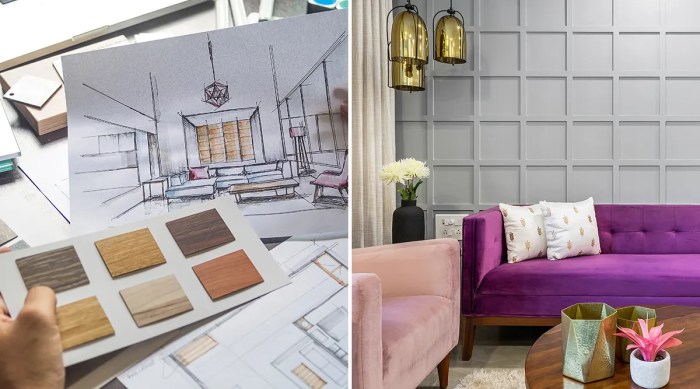
Collaboration between architects and interior designers is essential for the successful completion of a project. It involves working together to ensure that the architectural design and interior elements complement each other seamlessly, creating a cohesive and harmonious space. Effective communication is key to this collaboration, as it allows both parties to share ideas, discuss concepts, and make decisions that align with the overall vision of the project.
How Architects Collaborate with Interior Designers
Architects collaborate with interior designers by sharing initial design concepts, floor plans, and elevations to ensure that the structural elements of the building align with the interior layout and design. They work together to select materials, finishes, and colors that enhance the overall aesthetic of the space.
Architects also rely on interior designers to provide input on furniture placement, lighting design, and other interior details that can impact the functionality and visual appeal of the project.
Importance of Effective Communication
Effective communication between architects and interior designers is crucial to avoid misunderstandings, ensure that all project requirements are met, and maintain a cohesive design vision throughout the project. Clear and open communication allows both parties to address any issues or challenges that may arise during the design process, leading to a more efficient and successful collaboration.
Examples of Successful Projects
One example of a successful collaboration between architects and interior designers is the renovation of a historic building into a modern office space. The architects worked closely with the interior designers to preserve the original architectural features of the building while incorporating contemporary design elements that met the client’s needs.
The result was a space that seamlessly blended old and new, creating a unique and functional environment for the occupants.
Final Summary
As we conclude this exploration of architects and interior designers, it becomes evident that their harmonious collaboration results in breathtaking spaces that seamlessly blend form and function. The dynamic interplay between these two professions continues to shape the landscapes we interact with daily, leaving a lasting impact on our lives.
FAQ Corner
What is the role of an architect in a construction project?
An architect is responsible for designing the overall structure and ensuring it meets safety and regulatory standards.
What are the educational requirements to become an architect?
To become an architect, one typically needs a professional degree in architecture and must complete a supervised internship.
How do architects collaborate with interior designers on a project?
Architects work closely with interior designers to ensure that the overall design of a space aligns with the architectural vision and functionality.