
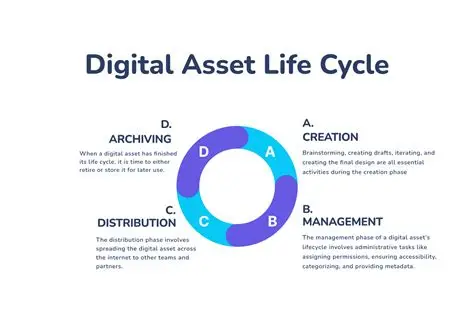
Explore the world of digital assets with a focus on safety and security. Learn how to navigate the online landscape of buying and storing digital assets with ease and confidence.
Delve into the intricacies of securing your digital investments and discover the best practices for a worry-free experience.
Introduction to Digital Assets
Digital assets refer to any form of online content or data that holds value. This can include cryptocurrencies, digital art, digital collectibles, and more. As the digital landscape continues to expand, the importance of safely buying and storing these assets has become crucial.
Importance of Buying and Storing Securely
Ensuring the secure purchase and storage of digital assets is essential to protect your investments and personal information. Without proper security measures, you risk falling victim to cyber attacks, fraud, and theft.
Risks Associated with Digital Asset Transactions
- Volatility: Prices of digital assets can fluctuate rapidly, leading to potential financial losses.
- Security Breaches: Hackers can target online platforms and wallets to steal digital assets.
- Regulatory Changes: Governments may introduce new regulations affecting the value and legality of digital assets.
Examples of Common Digital Assets
- Cryptocurrencies: Bitcoin, Ethereum, and Litecoin are popular examples of digital currencies.
- Digital Art: NFTs (Non-Fungible Tokens) have gained traction in the art world as unique digital assets.
- Digital Collectibles: Virtual trading cards, in-game items, and virtual real estate are examples of digital collectibles.
How to Safely Buy Digital Assets Online
When it comes to buying digital assets online, ensuring the safety of your transactions is paramount. Here are some key steps to follow:
Research Reputable Exchanges
Before making any purchases, take the time to research reputable exchanges where you can buy digital assets securely. Look for platforms with a proven track record of reliability and trustworthiness.
Compare Security Features
- Look into the security features offered by different platforms. Choose exchanges that prioritize security measures such as encryption, cold storage, and regular security audits.
- Opt for platforms that offer two-factor authentication to add an extra layer of protection to your account.
Importance of Two-Factor Authentication
Two-factor authentication is a crucial security feature that helps safeguard your accounts from unauthorized access. By requiring a second form of verification in addition to your password, such as a unique code sent to your phone, two-factor authentication significantly reduces the risk of hacking.
Verifying Exchange Legitimacy
- Before finalizing any transactions, verify the legitimacy of the exchange you are using. Check for reviews, regulatory compliance, and the overall reputation of the platform.
- Ensure that the exchange follows industry best practices and adheres to legal requirements to protect your investments.
Secure Payment Methods for Digital Asset Transactions
When buying digital assets online, it is crucial to use secure payment methods to protect your funds and personal information. Here are some of the most reliable options available:
List of Secure Payment Methods:
- Credit Card: Many exchanges accept credit card payments, offering convenience and instant transactions.
- Bank Transfer: Linking your bank account to the exchange allows for larger transactions and direct transfers.
- PayPal: Some platforms support PayPal payments, providing an extra layer of security.
Linking a Bank Account or Credit Card:
To link your bank account or credit card to the exchange, you will need to follow these steps:
- Log in to your exchange account and navigate to the payment settings.
- Select the option to add a new payment method.
- Enter the required details, such as account number or card information, and verify the connection.
Using Cryptocurrencies for Purchasing:
Cryptocurrencies like Bitcoin and Ethereum are commonly used for buying digital assets. To make a purchase using crypto, follow these steps:
- Ensure you have enough funds in your crypto wallet.
- Select the asset you want to buy and choose the cryptocurrency as the payment method.
- Complete the transaction by confirming the payment and wallet address.
Tips for Avoiding Fraudulent Payment Methods:
- Always verify the legitimacy of the exchange before making any payments.
- Avoid sharing sensitive information like passwords or private keys with anyone.
- Use secure payment methods with encryption and added security features.
- Check for SSL certificates and look for secure payment badges on the exchange website.
Storing Digital Assets Safely
When it comes to storing digital assets, it is crucial to ensure the security of your investments. One way to do this is by using digital wallets, which are designed to store and manage your cryptocurrencies and other digital assets.
Types of Digital Wallets
- Hardware Wallets:These physical devices store your assets offline, making them less vulnerable to online hacks.
- Software Wallets:These are applications or programs that can be installed on your computer or mobile device for easy access to your assets.
- Paper Wallets:A paper wallet is a physical document containing a public address for receiving assets and a private key for accessing them.
Securing and Backing Up Digital Wallets
It is essential to follow best practices to secure and back up your digital wallets to prevent potential loss of assets.
- Enable two-factor authentication (2FA) for an extra layer of security.
- Regularly update your wallet software to protect against vulnerabilities.
- Backup your wallet’s recovery phrase or private key in a secure location offline.
Creating Strong Passwords for Wallet Access
Creating a strong password is vital to safeguard your digital assets from unauthorized access.
- Use a combination of uppercase and lowercase letters, numbers, and special characters.
- Avoid using easily guessable information like birthdays or common words.
- Consider using a passphrase or a password manager for added security.
Final Conclusion
In conclusion, safeguarding your digital assets is paramount in today’s digital age. By following the guidelines Artikeld in this guide, you can protect your investments and navigate the online world of digital assets with peace of mind.
Question Bank
How can I ensure the security of my digital assets?
Ensure you use reputable exchanges, enable two-factor authentication, and store your assets in secure digital wallets.
What are the risks associated with digital asset transactions?
Risks include hacking, scams, and volatility in asset prices.
Is it safe to link my bank account or credit card to a digital asset exchange?
It is generally safe if you use a reputable and secure exchange platform.
How do I verify the legitimacy of a digital asset exchange?
Check for licenses, user reviews, and the history of the exchange to verify legitimacy.
What are the best practices for securing and backing up digital wallets?
Use strong passwords, enable encryption, and regularly back up your wallet data.