Exploring the reasons behind potentially high health insurance costs, this introduction sets the stage for a deep dive into the complexities of insurance pricing. From demographic influences to plan types, get ready to uncover the secrets of why your health insurance may be more expensive than you think.
As we delve further, we will shed light on the various factors impacting health insurance premiums and how they intertwine to determine the ultimate cost of coverage.
Factors impacting health insurance premiums
Age, location, coverage level, and health status are crucial factors that can significantly influence health insurance costs. Additionally, lifestyle choices, pre-existing conditions, the type of plan, and additional services can also play a role in determining the premiums individuals pay.
Age
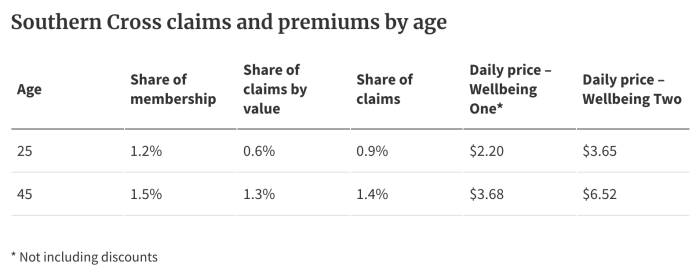
As individuals age, they are more likely to require medical services, which can lead to higher health insurance premiums due to increased health risks associated with aging.
Location
The cost of healthcare varies by location, impacting insurance premiums. Urban areas tend to have higher healthcare costs compared to rural areas, resulting in higher premiums for individuals residing in cities.
Coverage Level
The extent of coverage provided by a health insurance plan can affect premiums. Plans with lower deductibles and out-of-pocket costs generally have higher premiums compared to high-deductible plans.
Health Status
Individuals with pre-existing conditions or poor health may face higher insurance premiums as they are more likely to require medical care. Insurance companies factor in health status when determining premium rates.
Lifestyle Choices
Smoking, excessive drinking, and other unhealthy lifestyle choices can increase the risk of developing health issues, leading to higher insurance premiums. Insurers may charge more to cover the potential costs associated with these behaviors.
Type of Plan
The type of health insurance plan, such as HMO (Health Maintenance Organization) or PPO (Preferred Provider Organization), can impact premiums. HMOs typically have lower premiums but restrict coverage to a network of providers, while PPOs offer more flexibility but come with higher costs.
Additional Services
Including services like dental, vision, or mental health coverage in a health insurance plan can lead to higher premiums. These additional services add to the overall cost of the plan, resulting in increased premiums for policyholders.
Comparison with other insurance providers
When looking for health insurance, it’s crucial to compare plans from different providers to ensure you’re getting the best value for your money. Understanding the terms, deductibles, and co-pays offered by various insurance companies can help you make an informed decision and find a plan that meets your needs while being cost-effective.
Ways to Compare Health Insurance Plans
- Research Online: Utilize comparison websites or visit individual insurance company websites to gather information on different plans available.
- Consult with Insurance Brokers: Insurance brokers can provide personalized guidance and help you navigate through various options to find the most suitable plan.
- Compare Coverage: Look at the coverage offered by each plan, including services, medications, and treatment options to ensure they meet your healthcare needs.
- Consider Premiums and Out-of-Pocket Costs: Compare the monthly premiums, deductibles, and co-pays of different plans to understand the overall cost of coverage.
Importance of Seeking Quotes from Multiple Insurers
- Price Comparison: By obtaining quotes from multiple insurers, you can compare prices and identify the most cost-effective health insurance option.
- Customized Options: Different insurers may offer unique benefits or discounts, so exploring multiple options allows you to find a plan that aligns with your preferences and budget.
- Evaluate Customer Reviews: Research customer reviews and ratings of different insurance providers to gauge their reputation for customer service and claims processing.
- Review Network Providers: Consider the network of healthcare providers included in each plan to ensure you have access to quality care within your area.
Inflation and market trends
Inflation rates and market trends play a significant role in determining the pricing of health insurance policies. These economic factors can lead to fluctuations in health insurance premiums, impacting the cost of coverage for individuals and families.
Impact of Inflation on Health Insurance Premiums
- Rising inflation can drive up the cost of medical services, medications, and healthcare facilities, leading to higher healthcare expenses for insurance companies. As a result, insurers may increase premiums to cover these rising costs.
- Inflation can also affect the overall economy, influencing the financial stability of insurance companies. To mitigate risks associated with inflation, insurers may adjust premiums to maintain profitability.
- Individuals with fixed incomes may face challenges in affording health insurance as inflation erodes the purchasing power of their income, making premiums relatively more expensive over time.
Market Trends and Health Insurance Pricing
- Market trends, such as changes in healthcare regulations, advancements in medical technology, and shifts in consumer preferences, can impact the cost of health insurance policies.
- Increased demand for certain healthcare services or procedures can lead to higher insurance premiums as insurers adjust their pricing to reflect the changing landscape of healthcare.
- Competition among insurance providers in the market can also influence pricing, with some companies offering lower premiums to attract more customers, while others may increase prices to maintain profitability.
Strategies for Informed Decision-making
- Stay informed about current inflation rates and market trends related to healthcare by following reputable financial news sources and industry publications.
- Compare health insurance policies from different providers to understand how pricing varies based on inflation and market conditions.
- Consider consulting with a financial advisor or insurance agent to discuss how economic factors may impact health insurance premiums and explore options for optimizing coverage based on your budget and needs.
Government regulations and healthcare policies
Government regulations and healthcare policies play a crucial role in determining the pricing of health insurance plans. These regulations and policies can impact the cost of health insurance in various ways, influencing affordability for individuals and families.
Role of Subsidies
Subsidies provided by the government can help lower the cost of health insurance for eligible individuals and families. These subsidies are designed to make health insurance more affordable for those with lower incomes, reducing the financial burden of coverage.
Impact of Mandates
Healthcare mandates require individuals to have health insurance coverage, which can affect pricing. Mandates can increase the number of people buying insurance, spreading the risk among a larger pool of individuals. This, in turn, can help lower premiums for everyone by balancing out the costs.
Effect of Reforms
Healthcare reforms, such as the Affordable Care Act (ACA), can also influence the cost of health insurance. Reforms may introduce new regulations, coverage requirements, or consumer protections that impact pricing. For example, the ACA implemented essential health benefits that all plans must cover, affecting premiums but also ensuring comprehensive coverage for policyholders.
Example: Changes in Legislation
For instance, if a new healthcare law is passed that eliminates certain coverage requirements, insurance companies may adjust their pricing accordingly. This could result in increased premiums for some policyholders who now need to purchase additional coverage separately. On the other hand, a reform that expands coverage options may lead to more competitive pricing as insurers vie for customers in the expanded market.
Outcome Summary
In conclusion, understanding the nuances of health insurance pricing is crucial in making informed decisions about your coverage. By being aware of the key determinants of cost and exploring ways to compare and optimize your plan, you can navigate the realm of health insurance with confidence and clarity.
Quick FAQs
Why do lifestyle choices like smoking or drinking impact insurance pricing?
Lifestyle choices like smoking or drinking are considered risk factors by insurers, leading to higher premiums to offset the potential health risks associated with these habits.
How can market trends affect health insurance premiums?
Market trends can influence premiums by causing insurers to adjust prices based on economic conditions, demand for healthcare services, and other external factors.
What role do government regulations play in health insurance pricing?
Government regulations can impact pricing by introducing mandates, subsidies, or reforms that alter the structure and affordability of health insurance plans.