
Exploring the realm of Homeowners Insurance for High-Risk Areas opens up a world of challenges and opportunities. From understanding what makes an area high-risk to uncovering the best coverage options, this topic delves into crucial insights for homeowners facing unique circumstances.
As we dive deeper into this discussion, we will unravel the complexities of mitigating risks, handling claims, and ultimately securing your home in high-risk regions.
Understanding High-Risk Areas for Homeowners Insurance
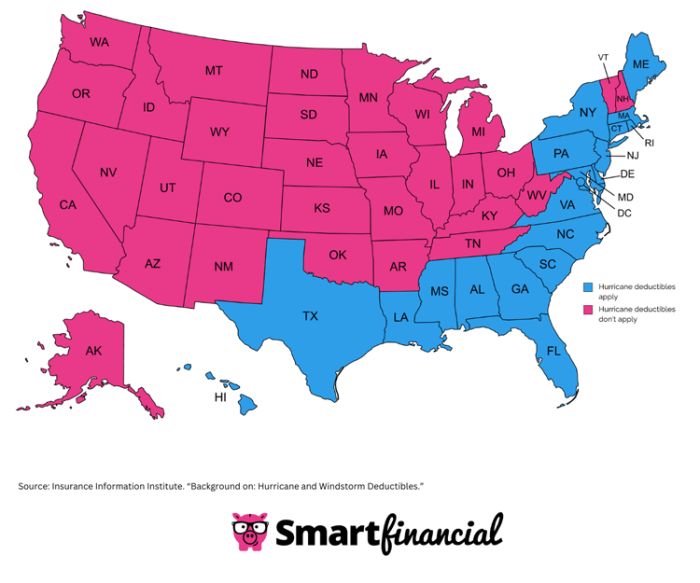
Homeowners insurance companies classify certain areas as high-risk based on various factors that increase the likelihood of claims being filed. Understanding what constitutes a high-risk area is crucial for homeowners to make informed decisions about their insurance coverage.
Factors Contributing to High-Risk Areas
Several factors contribute to an area being classified as high-risk for homeowners insurance:
- Location in a disaster-prone area: Areas prone to natural disasters such as hurricanes, earthquakes, floods, or wildfires are typically considered high-risk.
- Crime rates: Higher crime rates in a specific location can lead to an increased likelihood of theft or vandalism, making it a high-risk area.
- History of insurance claims: If an area has a history of frequent and severe insurance claims, insurers may deem it high-risk due to the potential for future claims.
- Building materials and age of homes: Older homes or those constructed with materials prone to damage are often considered high-risk for insurance purposes.
Assessment of Risk Levels by Insurers
Insurance companies use various methods to assess risk levels in different geographical locations:
- Actuarial analysis: Insurers utilize actuarial data to evaluate the risk associated with a specific area, taking into account historical data, trends, and probabilities.
- Geospatial mapping: Advanced technology allows insurers to map out risk levels based on geographic data, including proximity to bodies of water, fault lines, or high-crime areas.
- Underwriting guidelines: Insurers have specific underwriting guidelines that consider the risk factors present in an area when determining coverage options and pricing.
- Reinsurance support: In high-risk areas, insurers may seek reinsurance support to mitigate the financial impact of potential large-scale claims.
Coverage Options for High-Risk Areas
When it comes to homeowners insurance in high-risk areas, there are specific coverage options that are available to protect your home and belongings from potential risks. These options often differ from standard policies due to the increased exposure to hazards in these regions.
It is essential for homeowners in high-risk areas to understand the coverage options available to them and make informed decisions to ensure adequate protection.
Typical Coverage Options
In high-risk areas, typical coverage options for homeowners insurance include dwelling coverage, personal property coverage, liability coverage, and additional living expenses coverage. Dwelling coverage protects the physical structure of your home, while personal property coverage protects your belongings inside the house.
Liability coverage helps cover legal expenses if someone is injured on your property, and additional living expenses coverage provides financial assistance for temporary living arrangements if your home becomes uninhabitable due to a covered loss.
Comparison of Coverage Limits and Premiums
Compared to standard policies, coverage limits and premiums for homeowners insurance in high-risk areas are often higher due to the increased likelihood of damage or losses. The coverage limits for dwelling and personal property coverage may be adjusted to account for the elevated risks in the area, leading to higher premiums to ensure sufficient protection against potential hazards.
Additional Coverage Options
In high-risk regions, additional coverage options specific to the area may include flood insurance, earthquake insurance, windstorm insurance, and wildfire insurance. These additional coverages are essential in areas prone to natural disasters or specific perils that are not covered under standard homeowners insurance policies.
Homeowners in high-risk areas should consider adding these extra coverages to their policy to safeguard their homes and assets against unforeseen events that are common in their region.
Mitigation Measures for Homeowners in High-Risk Areas
When living in high-risk areas prone to natural disasters or other hazards, homeowners must take proactive steps to mitigate risks and protect their property. Implementing certain strategies can not only reduce the likelihood of damage but also lower insurance premiums.
Home Improvements and Structural Reinforcements
- Reinforcing the structure of your home by using impact-resistant materials can make it more resilient to severe weather conditions such as hurricanes or earthquakes.
- Installing storm shutters, reinforced garage doors, and roof straps can help minimize damage during storms and high winds.
- Elevating your home if you live in a flood-prone area can reduce the risk of water damage and potential flooding.
Regular Maintenance and Disaster Preparedness
- Regularly inspecting and maintaining your property can help identify potential hazards or weaknesses that need to be addressed.
- Creating a disaster preparedness plan and ensuring you have emergency supplies on hand can help you respond effectively in case of an emergency.
- Investing in a generator or backup power source can ensure that essential systems in your home continue to function during power outages.
Claims Process in High-Risk Areas
When it comes to filing insurance claims for homeowners in high-risk areas, there are some unique considerations to keep in mind. Understanding the claims process, potential challenges, and how to navigate it efficiently can make a significant difference in recovering from unexpected events.
Challenges in Filing Claims
- Delayed response times from insurance companies due to high volume of claims in high-risk areas.
- Increased scrutiny and documentation requirements to verify the extent of damage or loss.
- Higher likelihood of disputes over coverage limitations or exclusions for specific high-risk events.
Tips for Navigating the Claims Process
- Report the claim as soon as possible to initiate the process promptly.
- Document all damages with photos and videos to provide visual evidence for the claim.
- Keep detailed records of all communication with the insurance company, including claim numbers and adjuster contacts.
- Work with reputable contractors or restoration services recommended by the insurer for repairs.
- Stay informed about your policy coverage and rights as a policyholder to ensure fair treatment during the claims process.
Last Recap
In conclusion, Homeowners Insurance for High-Risk Areas demands attention to detail and proactive measures. By implementing the right strategies and understanding the nuances of coverage, homeowners can navigate these challenging landscapes with confidence and peace of mind.
Question & Answer Hub
What factors contribute to an area being classified as high-risk?
Areas prone to natural disasters, high crime rates, or inadequate infrastructure are often classified as high-risk.
What are the main differences between standard and high-risk policies in terms of coverage limits and premiums?
High-risk policies generally have lower coverage limits and higher premiums compared to standard policies due to the increased risk.
How can homeowners lower their insurance premiums in high-risk areas?
Homeowners can lower premiums by implementing safety measures, such as installing security systems or fire alarms, and by maintaining a good claims history.